
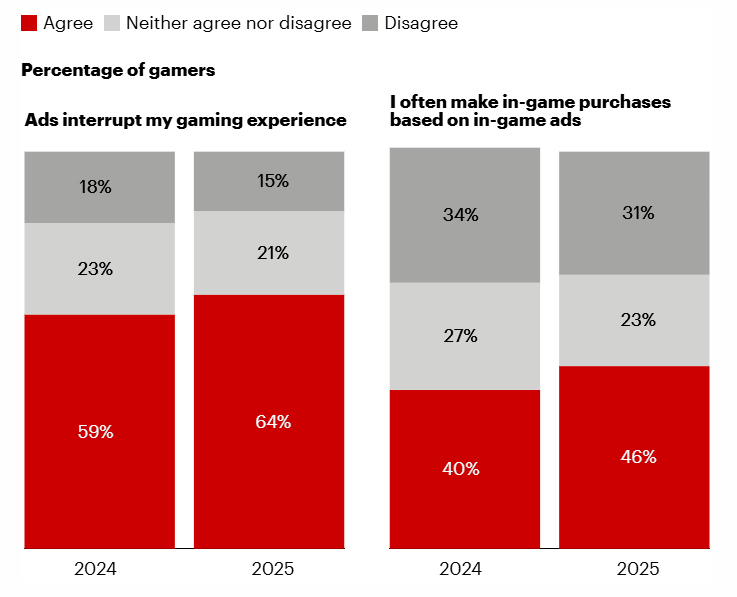
With the rapid development of the field of non-mobile games, advertising within the game is becoming an important channel of interaction between brands and players. Despite increasing frictions between advertising and player experience, according to BAIN&COMPANY, a market analysis agency, advertising in the game is significantly promoting purchasing behaviour. Platform-based games (such as Roblox and My World) lead groundbreaking growth in the field of non-mobile games with their user-generated content (UGC) eco- and social media-style advertising mode.
In 2024, Roblox completed the transition from a customized branding exercise to a fully programmed video advertising market. In cooperation with PubMatic, Roblox launched a self-service advertising platform to enable advertisers to have direct access to more than 97 million of its daily active users. This model allows brands to be advertised through procedural purchases (e.g. PMP in PubMatic and open transactions) and, in conjunction with brand security controls, ensures consistency between content and platform.
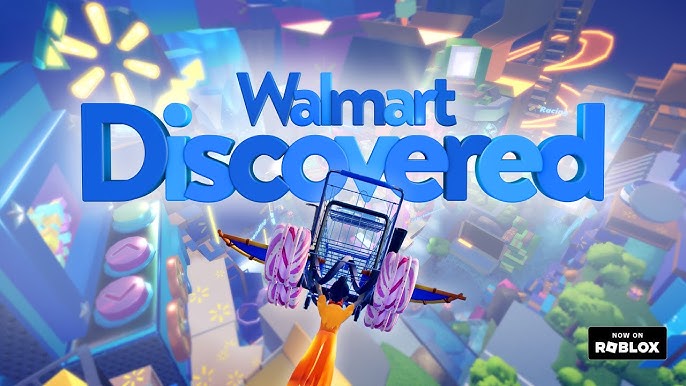
In addition, Roblox ‘ s collaboration with Google introduced the form of stimulating video advertising in 2025. Players are able to benefit from a 30-second commercial, effectively increasing user participation and advertising. The Wal-Mart Discovered experience attracted over 10 million visits through UGC content, successfully extending the retail experience of the real world to the virtual world. Such incentives not only increase the income from advertising, but also reduce the resistance of players to advertising through incentives.
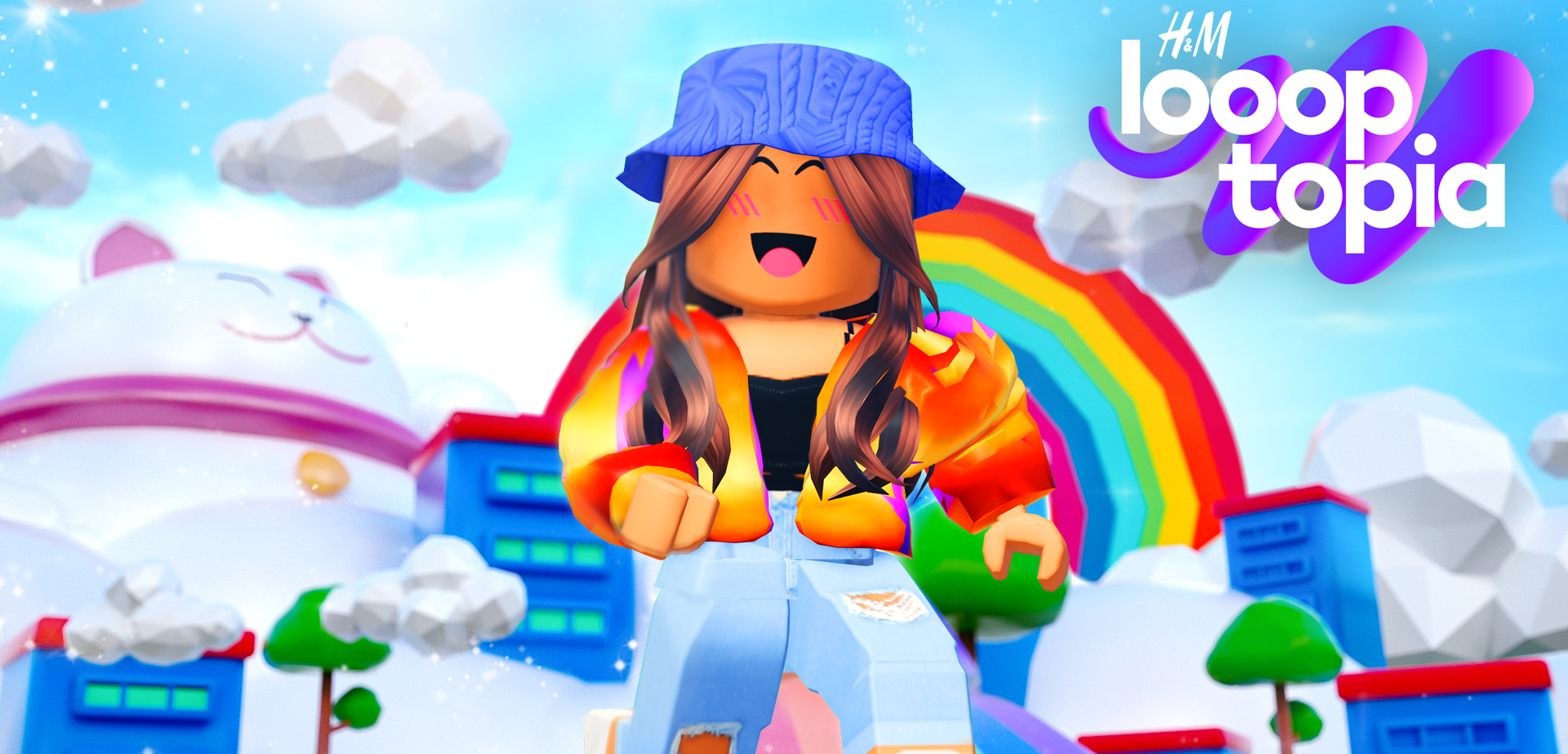
Brands are becoming more integrated into the player community by creating playable experiences in platform games. From iHeartMedia to 7-Eleven, brands use Roblox ‘ s UGC Ecology to build virtual shops, interactive games and immersion. For example, Detol launched a health education game in Roblox, which has resulted in 19.7 per cent improvement in player knowledge, demonstrating that the combination of brand content and player demand brings win-wins. The Looptopia of H&M has enhanced the participation of 180 per cent of users through content updates, demonstrating the potential of branding experiences.

Advertisements for platform games are closer to social media models, with an emphasis on interactivity and protochemicals, than those for traditional games. This model not only enhances brand exposure, but also strengthens connectivity to young users such as the Z and α generations. However, over-commercial content can be offensive to players, especially on platforms dominated by young users, where brands need to ensure that content is interesting, original and culturally appropriate.
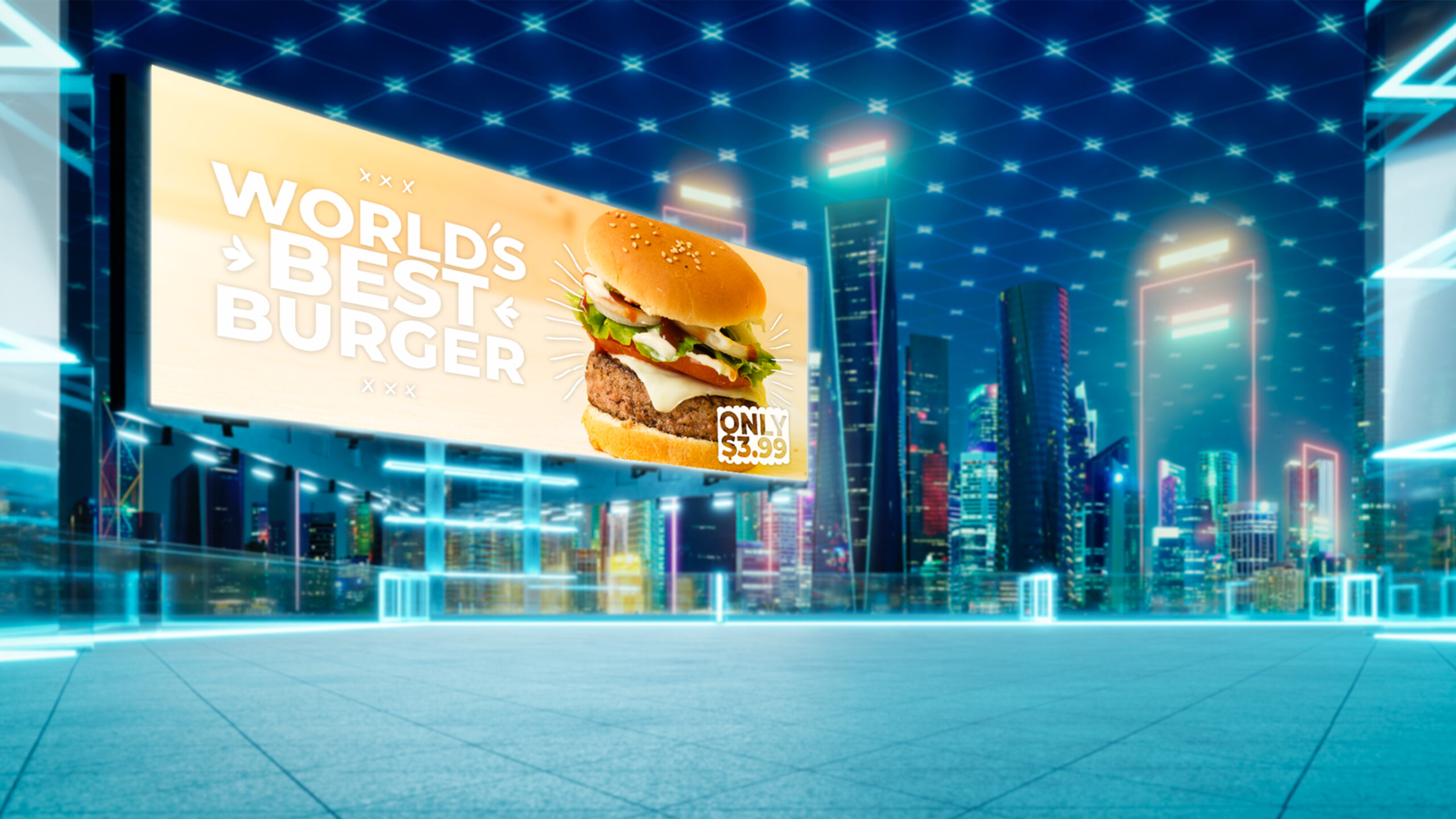
The advertising model of platform games is reshaping the non-mobile game industry, and Roblox ‘ s programming advertising and branding experience has created new income growth points. However, successful advertising strategies need to strike a balance between income and experience. Through protochemical content, data-driven optimization and rigorous brand security, brands can achieve business objectives without sacrificing player satisfaction. In the future, as more brand entry and platform technology advances (e.g. AI-driven advertising optimization), platform-based games are expected to become the main battleground for brand marketing.