
A woman from Arizona in the United States was sentenced by a Federal District Court judge to eight and a half years’ imprisonment for running a “computer farm” of an IT worker fraud scheme. The Federal Bureau of Investigation (FBI) of the United States found Christina Chapman to be a Korean citizen, employed under a false identity in a well-known United States company, and admitted charges of telecommunications fraud, money-laundering and identity theft in February this year.

The prosecutor accused Chapman of assisting North Korea IT workers in obtaining positions in 309 companies, including large television networks, car manufacturers, media companies and Silicon Valley Technology. Members of the group also unsuccessfully attempted to infiltrate two United States Government agencies.
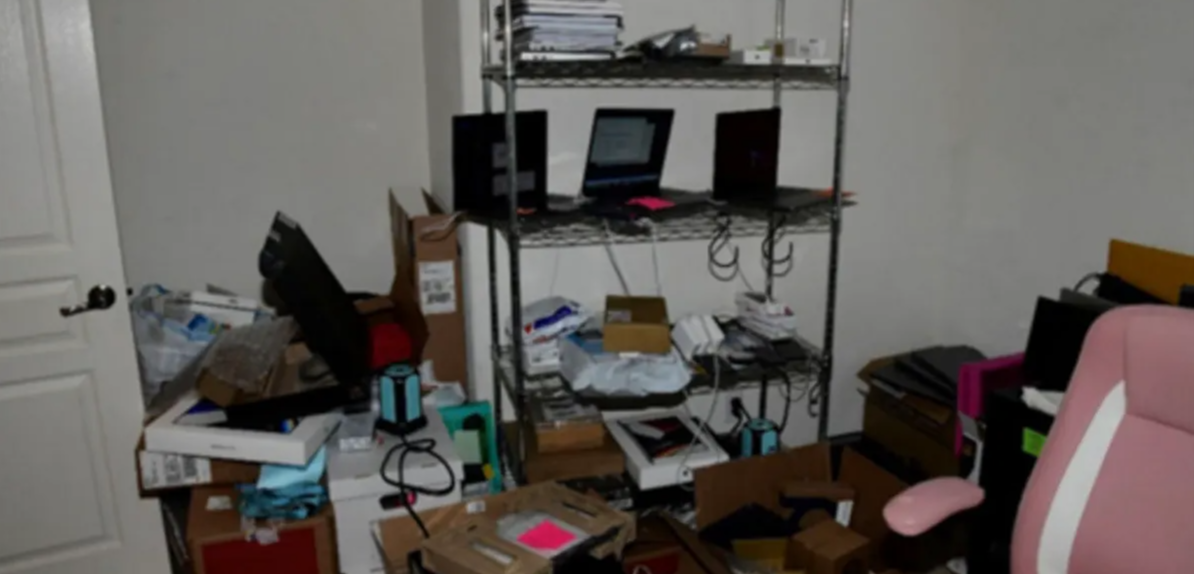
After Korean hackers used false identities to obtain jobs, the work notebook was sent to the residence of Chapman. She has set up a “computer farm” here to enable these IT workers to access the IT network of American companies remotely on a daily basis.
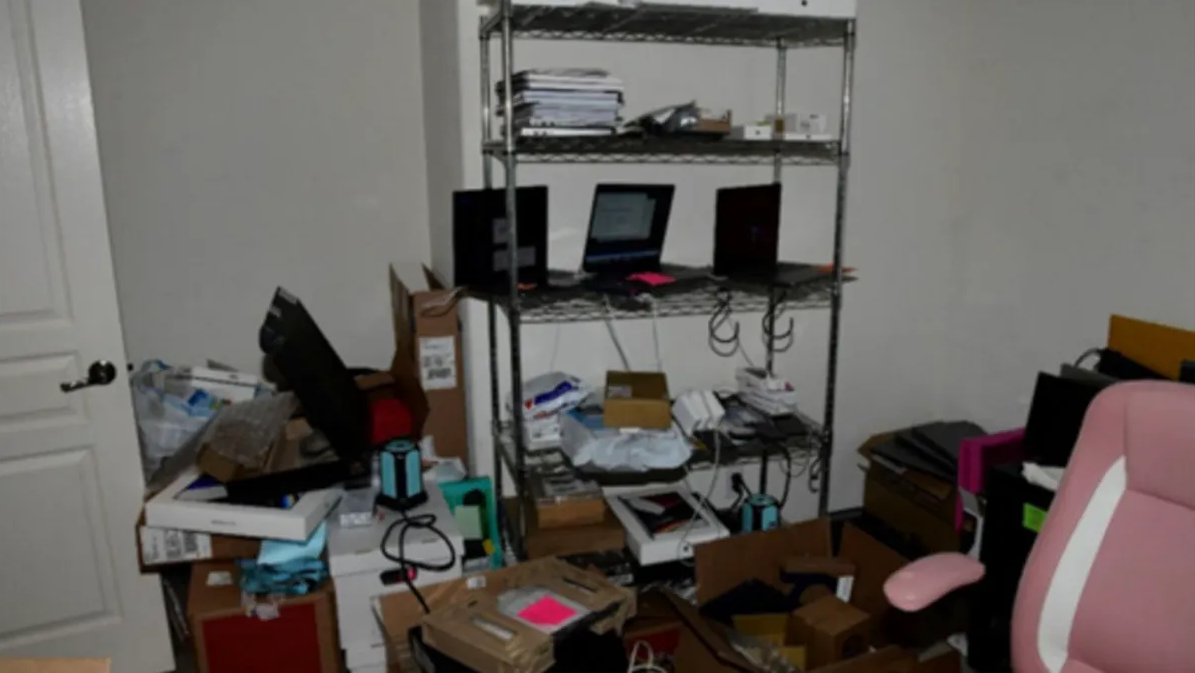
The FBI seized more than 90 laptops from Chapman’s home during a raid in October 2023. In addition to hosting these computers and installing software for remote access by Korean personnel, she shipped 49 laptop computers to overseas locations.
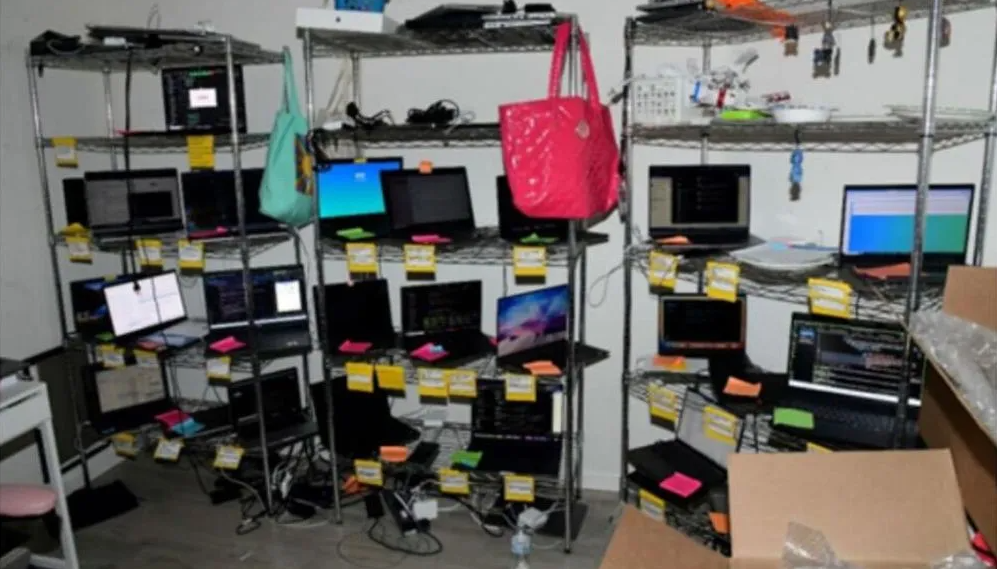
The whole operation of Chapman was to enrich the Korean government by $17 million. Although security companies and law enforcement agencies did not publish estimates of the number of “computer farms” in North America and Europe, the United States Department of Justice stated that the case was “one of the largest fraud schemes for Korean IT workers prosecuted by the Department of Justice”.
Chapman used 68 stolen identities in the operation and declared millions of dollars of revenue to the United States Internal Revenue Service in the name of the stolen individuals. She forges wage cheques under false identities and manages the remuneration received from United States companies through direct deposits, which are then transferred abroad.
Federal District Court Judge Randolph Moss sentenced Christine Chapman, 50 years old, to 102 months imprisonment (eight and a half years) and three years of supervised release. The confiscation of nearly US$ 300,000 which he planned to remit to the DPRK prior to his arrest and the payment of more than US$ 175,000 in fines.
Chapman was arrested in May of last year, when the United States was massively attacking North Korea ‘ s plans to hire hundreds of its citizens to IT posts through uninformed United States companies, and she was initially accused, together with a 27-year-old Ukrainian, Oleksandr Didenko, of assisting at least three Korean workers named Jiho Han, Chunji Jin and Haoran Xu. The three were employed as software and application developers by companies in various trades.
According to officials of the United States Department of State, the three Koreans assisted by Chapman and Didenko are associated with “the Ministry of Military Questions Industry of Korea, which oversees the DPRK’s ballistic missile development, weapons production and research and development projects”. Didenko was arrested last year in Poland and the United States is seeking his extradition.
Matthew Galeoti, Acting Assistant Secretary of the Criminal Division of the United States Department of Justice, stated that Chapman was involved in a plan “to steal the identity of dozens of United States citizens” and hoped that the verdict would deter others from operating a “computer farm”.
Agencies such as the FBI have been following North Korea IT workers and their facilitators for almost three years. After the outbreak forced companies to adopt teleworking technology, hundreds of companies reported employing Korean employees. The Government of the Democratic People ‘ s Republic of Korea has benefited millions of dollars through this programme, which includes the use of artificial intelligence to assist in the falsification of curricula vitae and to allow workers to pass through the interview.
Roman Rozhavsky, Assistant Director of the FBI Counter-Intelligence Unit, stated that “the Korean regime has earned millions of dollars for its nuclear weapons programme by violating United States citizens, businesses and financial institutions”.
On the day of the sentencing, various United States agencies announced a series of actions against the Democratic People ‘ s Republic of Korea ‘ s fraudulent scheme, including sanctions against three senior Korean officials and a reward of $15 million to collect information on the whereabouts of six North Korean leaders.